A day in the life of a paralegal changing gender norms across 200 villages in Kutch for two decades*
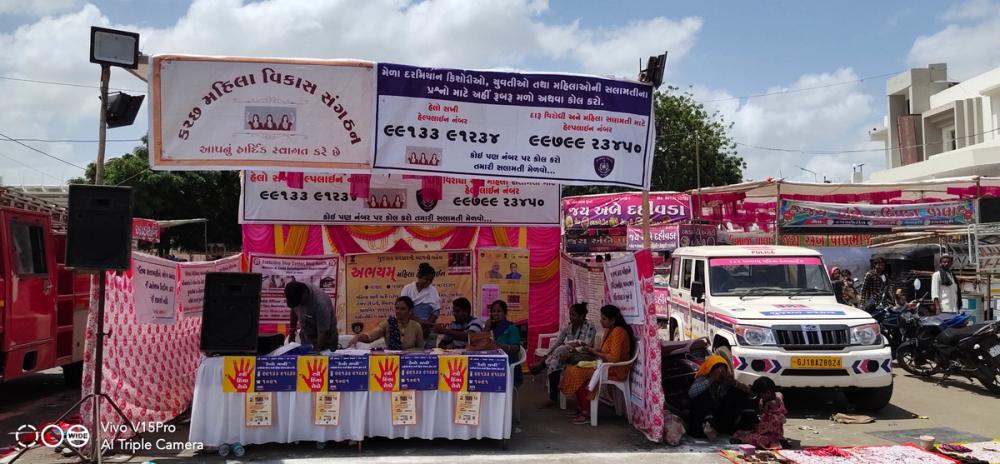
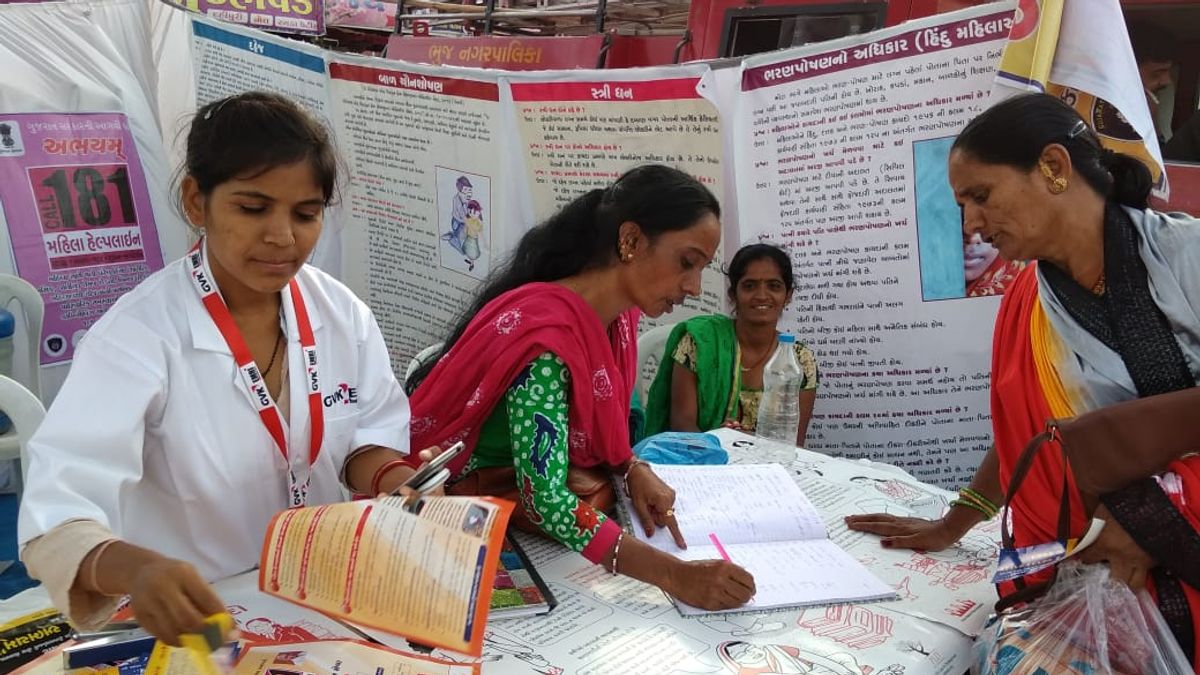
I have been working with KMVS for over 22 years, in some of the remotest villages in the Kutch. As paralegals, we help women access justice when they face violence at home, by helping them through the legal process or by supporting them and their families to resolve conflicts. We also work closely with the Kutch police, through the Hello Sakhi helpline which we began in 2010; it operates out of the mahila police station (all-women police station) in Bhuj.
I remember when I first started out, I had never travelled on a bus. Back in Kalyanpar village, where I grew up, women are not to step beyond the threshold of their homes. In the beginning, my husband’s family members would follow me to KMVS meetings, to see where I was going and what I was doing. Over time, I have gained their trust and support. Today, even during the pandemic lockdown, I can travel to neighbouring villages on my scooter.
8 AM: Once I reach the mahila police station, I start responding to helpline calls, by taking down each caller’s details —her name, village, age, number of children, along with details of the issue she is facing. We have offices in all ten blocks of Kutch, so depending on the caller’s location, I contact paralegals and counsellors in that block and inform them of the situation. Since I live in Bhuj, if there is a case nearby, I attend to it myself.
10 AM: I get a call on my mobile phone while I am at the police station. I work in about 200 villages, and since people know me well, they sometimes call directly, rather than through the helpline. I answer —it’s Ramlal**, a man from a village nearby, calling on behalf of his daughter, Laxmi**.He tells me that Laxmi’s father-in-law beat her and threw her out of the house last night, because she accidentally added extra milk in the tea. Laxmi is at her parent’s house now, and Ramlal requests me to intervene. We try to resolve matters between women and their families through consensus. But if the woman feels threatened or is in danger, we go to the police.
11.30 AM: I reach their house, and discuss the incident with Laxmi. I tell her that her father-in-law has no right to treat her like this. She tells me that her husband tried to stop his father but was unsuccessful. We decide it might be best if the couple separates from the extended family for some time. When situations like these are taken to the police, they can become an added stressor for the woman. Often, they are easier to resolve through counselling. However, in emergency situations, we use the police’s 181 women’s helpline vans, to get women out of immediate danger.
2 PM: I go back to the office in Bhuj to get some administrative work done, and catch up with some of the paralegals I manage; many part time paralegals who also work in other companies are worried about their income and savings, given the economic crisis created by the pandemic.
4 PM: My phone rings again—this time, it’s a woman worried about her husband’s alcoholism and how he may treat her. I counsel the woman, assuring her that if she feels threatened, we will send over a counsellor and paralegal, should the situation escalate.
5 PM: Before wrapping up for the day, I spend some time planning the next set of training sessions for our paralegals.
Thinking about this takes me back to my early days with KMVS, when I went from village to village holding awareness sessions with women—about domestic violence, women’s rights, and our organisation. What helped me connect with women across villages was the fact that I was just like them, a village girl, who had not really stepped out of her house before I started working at age 20. I had studied only up to grade seven. Today, I have trained more than 400 women to become paralegals at KMVS.
Just this year I considered completing my tenth grade, when my supervisor suggested that I give the exam and get my certificate. The organisation thought it would help me and also inspire younger paralegals, whom I manage, to do the same. I was hesitant; being 42 years old, the last time I had studied formally was many years ago. But my colleagues supported me, and after studying hard for a few months, I passed.
If I hadn’t stepped out or tried new things, I wouldn’t be where I am today. I wouldn’t have been able to go to Bhuj by myself, be a manager, hold meetings, or help my sisters find their voice. At one point, we were called the ‘Bhuj wali behenein’ (the sisters from Bhuj). Now through my work, I have connected with more than 5,000 behenein (sisters) across Kutch.
**Names changed to maintain privacy.
*By Khadija Sameja, known to most people as ‘Khataben’. As told to IDR. Originally published @ idronline, Sept 7, 2020.
Edited for website by KMVS, 2025.
Read More Stories
Hey, Virat Kohli… Have you ever played cricket on a wicket quite like this?
Yuvavani
Amrutben plants a flag of urban resistance in Pithora Peer
Maru Shaher
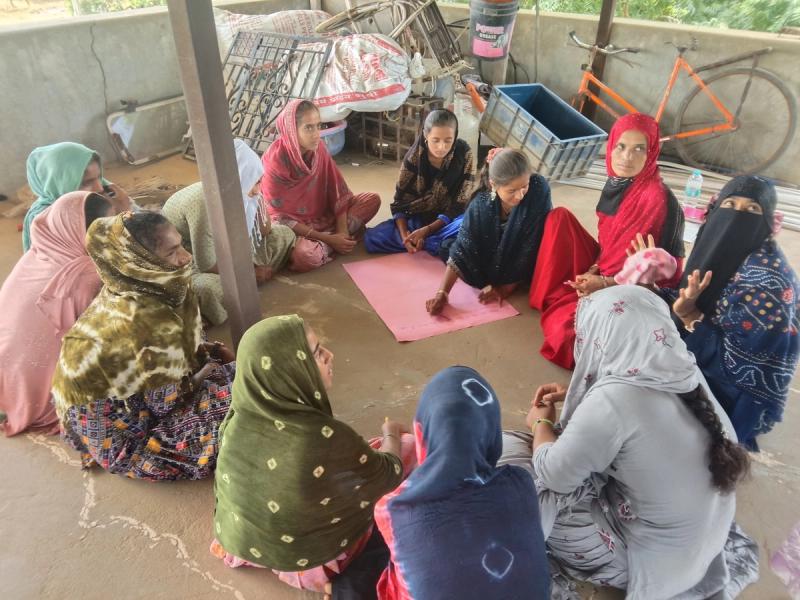
How an autorickshaw driver made high school dreams possible for girls of Sumrasar
Maro Awaaj
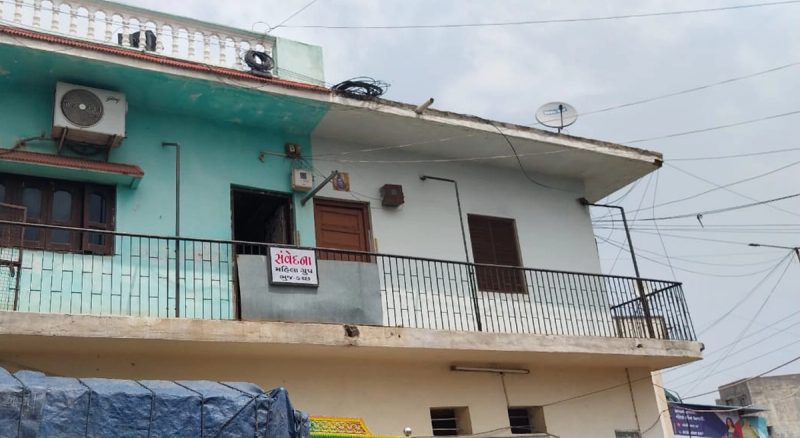
A moralistic cop spots a female sex worker on two-wheels. What happens next?
Samvedna
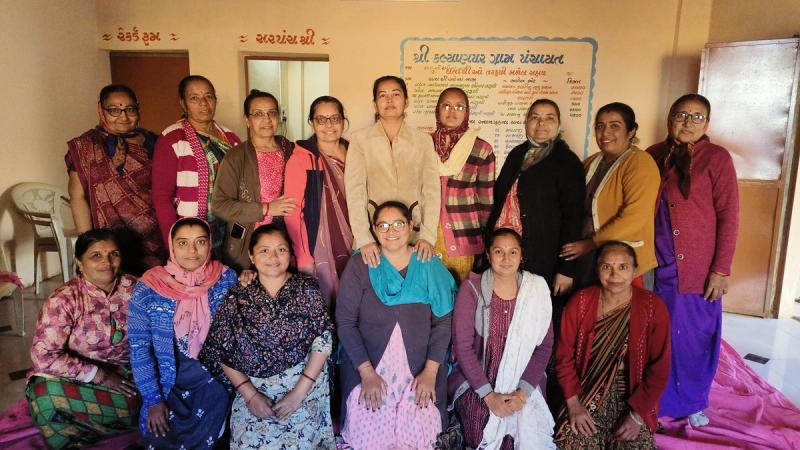
Reluctance. Resistance. Acceptance. True pages from the election diary of an Indian Woman Sarpanch
Sushasini